
Damages awarded from the Camp Lejeune water contamination can include:
- Lost wages
- Medical costs (past, present, or future)
- Personal injuries
- Pain and suffering
- Loss of enjoyment of life
Camp Lejeune Water Contamination
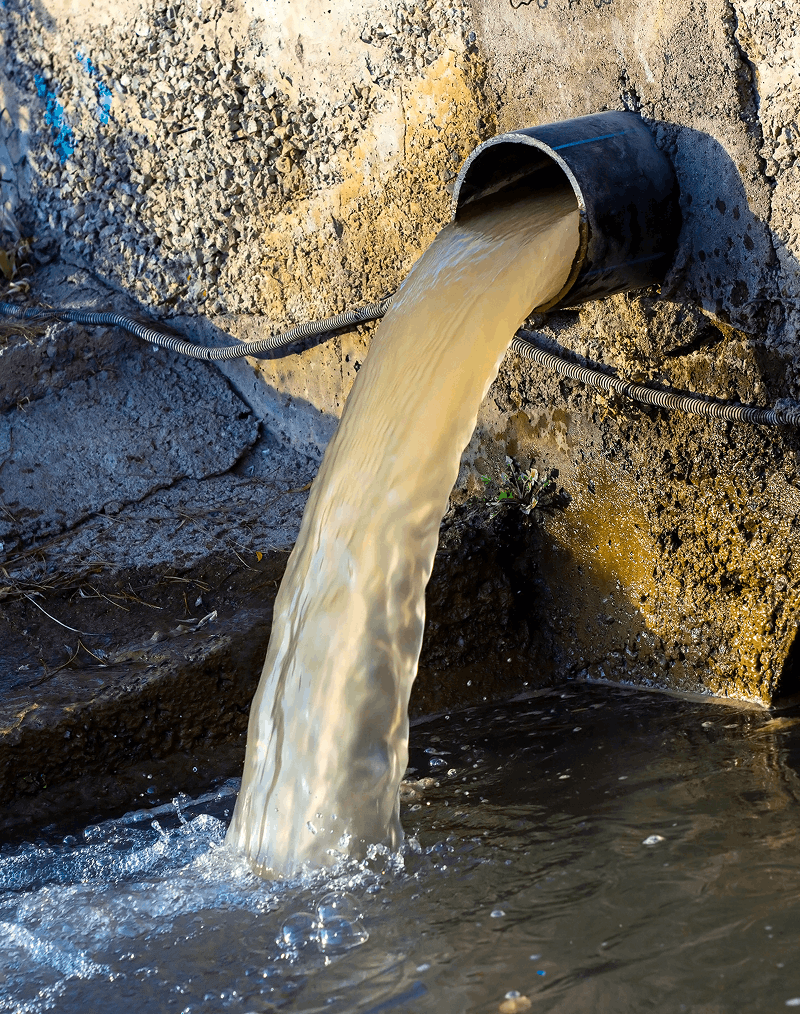
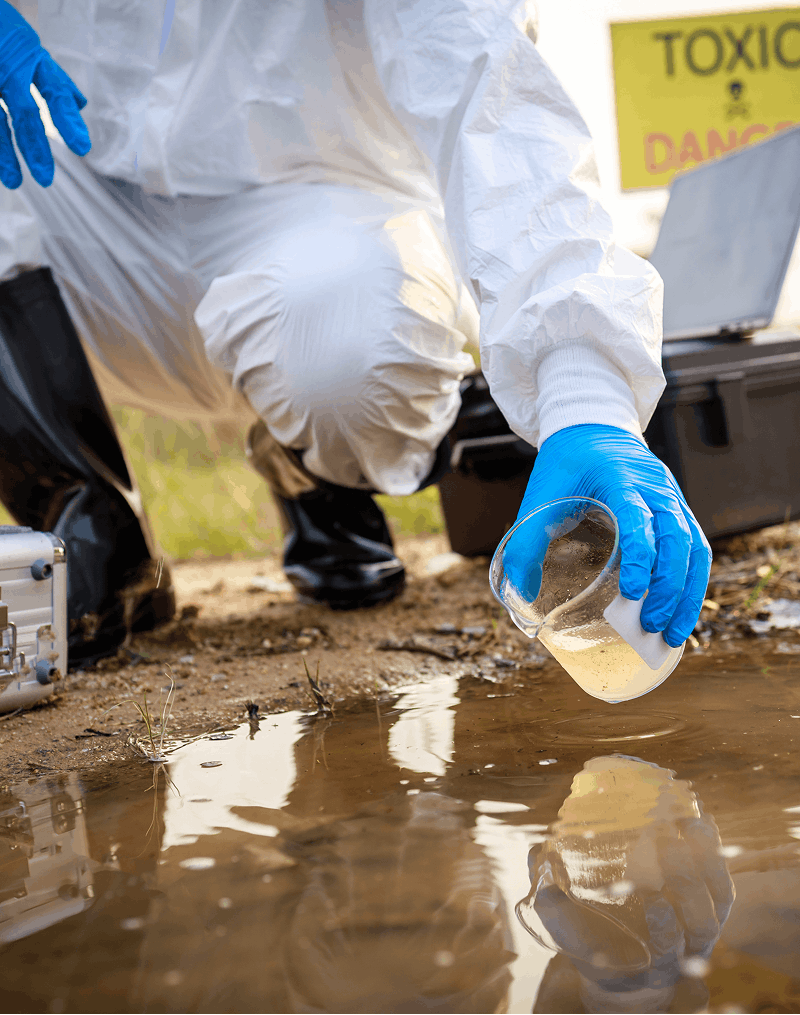
According to the United States Department of Veterans Affairs, the drinking water at Camp Lejeune, was contaminated with hazardous industrial solvents for decades. Chemicals detected in the base water supply include trichloroethylene (TCE), perchloroethylene (PCE) from dry-cleaning waste, vinyl chloride, and benzene from leaking fuel storage tanks.
The contamination affected hundreds of thousands of service members, family members, and civilian workers who lived or worked on the base between August 1, 1953, and December 31, 1987. Many have since been diagnosed with life-altering illnesses linked to the contaminated water.
The Camp Lejeune Justice Act of 2022 gave those affected the right to file claims against the U.S. government for the first time, including those previously denied relief under North Carolina’s statute of repose.
Constant Legal Group has been representing Camp Lejeune claimants since the Justice Act passed in August 2022.
Legal Representation
Individuals who lived, worked, or were otherwise exposed at Camp Lejeune during the qualifying period and who were later diagnosed with a serious illness were eligible to file a claim.
The long-term health effects of the contamination are well documented. Those affected continue to seek answers and accountability.
Environmental and Health Impacts of Water Contamination at Camp Lejeune
The chemicals detected in the Camp Lejeune water supply are hazardous industrial solvents linked to serious and lasting harm to human health.
Exposure to these chemicals can occur through drinking, bathing in, or otherwise coming into contact with the contaminated water. Long-term exposure has been linked to multiple forms of cancer, Parkinson’s Disease, and birth defects.
The release of these hazardous chemicals into the base water supply over several decades has raised serious concerns about long-term public health. Residents, veterans, and their families have called for answers and accountability, and the Camp Lejeune Justice Act of 2022 was enacted in direct response. Here’s a chronological overview of historic Camp Lejeune drinking water events.
LEGAL ISSUES
The Camp Lejeune water contamination has resulted in several legal claims, including:
- Personal injury claims: Individuals who were diagnosed with a qualifying illness because of exposure to the contaminated water filed personal injury claims against the U.S. government under the Camp Lejeune Justice Act. All Camp Lejeune lawsuits are filed in the U.S. District Court for the Eastern District of North Carolina.
- Claims for family members: Family members who lived on base during the qualifying period were also eligible to file claims, including those who were exposed in utero.
- Elective Option claims: The Department of Justice and the Department of the Navy announced the Elective Option, a voluntary settlement program providing preset compensation amounts to claimants diagnosed with one of nine qualifying conditions. Individual payments range from $100,000 to $550,000 depending on the diagnosis and length of exposure. While Elective Option is a step in the right direction to resolving claims, the very narrow requirements severely limit the injured parties who qualify for this program.
Parties Involved
The parties involved in Camp Lejeune claims include:
- The U.S. Government: The federal government is the primary party in Camp Lejeune claims. Claims allege that the government failed to protect those on base from contaminated water and failed to warn them of the risks. The Camp Lejeune Justice Act removes several legal defenses the government had previously used to block these claims, including North Carolina’s 10-year statute of repose.
- The Department of the Navy: Responsible for receiving and reviewing administrative claims filed under the CLJA and for administering the Elective Option settlement program.
- The Department of Justice: Working alongside the Department of the Navy to develop additional frameworks for resolving CLJA claims and negotiating toward a broader global settlement.
- Court-appointed Settlement Masters: In July 2024, four federal judges overseeing the litigation in the Eastern District of North Carolina appointed two Settlement Masters, Thomas J. Perrelli and Christopher G. Oprison, to work with both parties toward a broader global settlement framework.
If you filed a claim before the August 10, 2024 deadline, it is important to work with an attorney to ensure all required documentation has been submitted, including medical records, proof of presence at Camp Lejeune, and any supporting military or housing records.
Camp Lejeune Litigation Updates:
August 10, 2022:
The Honoring Our PACT Act, including the Camp Lejeune Justice Act, is signed into law. For the first time, those harmed by contaminated water at Camp Lejeune are given the right to file claims against the U.S. government. Constant Legal Group begins representing Camp Lejeune claimants.
September 6, 2023:
The Department of Justice and the Department of the Navy announce the Elective Option, a formal settlement program providing preset compensation amounts to claimants diagnosed with one of nine qualifying conditions, based on diagnosis type and length of exposure.
July 9, 2024:
Four federal judges issue Case Management Order No. 14, appointing Thomas J. Perrelli and Christopher G. Oprison as Settlement Masters to facilitate global settlement discussions between the Department of Justice and the Plaintiffs’ Leadership Group. The Settlement Masters do not have the power to force a settlement.
August 10, 2024:
The filing deadline for Camp Lejeune Justice Act claims closes. The Department of the Navy is no longer accepting new administrative claims.
September 22, 2025:
A Joint Status Report is filed in the Eastern District of North Carolina reporting 409,910 unique administrative claims filed with the Department of the Navy and more than 3,600 federal lawsuits filed in the Eastern District of North Carolina. Bellwether trials are expected to begin in 2026.
March 10, 2026:
The Department of Justice announces approval of 649 Elective Option settlement offers in the preceding three weeks, totaling $175 million. Total approved Elective Option settlements since the program launched have reached approximately $708 million across 2,531 claimants. Individual payments range from $100,000 to $550,000.
Frequently Asked Questions About the Camp Lejeune Water Contamination Claims
Yes. The deadline to file a Camp Lejeune Justice Act claim was August 10, 2024. The Department of the Navy is no longer accepting new administrative claims.
The Camp Lejeune Justice Act is Section 804 of the Honoring Our PACT Act of 2022, signed into law on August 10, 2022. It gave people harmed by contaminated water at Camp Lejeune the right to file claims against the U.S. government for the first time, including those who had previously been denied relief under North Carolina’s statute of repose.
The Elective Option is a voluntary settlement program announced by the Department of Justice and the Department of the Navy on September 6, 2023. It offers preset settlement amounts to claimants with one of nine specific qualifying conditions, based on diagnosis and length of exposure. Individual payments range from $100,000 to $550,000. Accepting an EO offer waives the right to pursue additional recovery through litigation. Claimants should discuss this decision with their attorney before accepting any offer.
No. Camp Lejeune claims are filed individually, not as a class action. Each claim is evaluated on its own merits based on the individual’s specific diagnosis, length of exposure, and supporting documentation.
All Camp Lejeune Justice Act lawsuits are filed in the U.S. District Court for the Eastern District of North Carolina. Claimants who live outside the Eastern District must file in the Southern Division of this court. Before filing in court, claimants must first go through the administrative claim process with the Department of the Navy.
There is no reliable timeline. Multiple issues remain unresolved. Bellwether trials are expected in 2026 and will influence how remaining claims are valued and potentially settled.
Work with your attorney to confirm that all required documentation has been submitted, including medical records, proof of presence at Camp Lejeune, and any supporting military or housing records. Timely and complete documentation is important when the resolution process moves forward.
Reasons to Choose

It can be overwhelming to navigate a complex legal process, especially while managing a serious illness. The attorneys at Constant Legal Group are here to help.
- Free Consultations
- You Don’t Pay Unless We Win
- Board Certified Lawyers
- 24/7 Call Center